Birthday Card Size Guide: Standard Dimensions and Envelopes
Most people never think about birthday card size until something goes wrong. The card you printed at home is a little too wide for the envelope, the photo looks blurry once it comes out of the printer, or the post office asks for extra stamps on a square card you thought was charming.
This guide collects the standard sizes in one place: the common US card formats in inches, the UK and European formats in millimeters, the envelope that matches each one, and the pixel dimensions you need for printing at home or sending a card straight to someone's phone. Keep it open while you design and you will avoid most of the usual surprises.
Why Birthday Card Size Matters
Size affects more than looks. It decides which envelope you need, how much space you have for a message, whether the card can be mailed at the normal rate, and how sharp your design will be when printed.
If you buy a card from a shop, all of this has already been worked out for you. When you design and print your own, or send a homemade card through the mail, choosing a standard size from the start saves you from trimming paper, hunting for odd envelopes, or reprinting a blurry image.
Standard Birthday Card Sizes in the US
In the United States, card sizes are usually named after the envelope they fit. The names can look confusing at first, but there are only a few you really need to know.
The A7 card, at 5 x 7 inches, is the most common greeting card size in the US. It gives you a comfortable amount of writing space inside without feeling bulky. The smaller A2 card is popular for simple notes and handmade cards, and the US A6 sits between the two.
- A2 card: 4.25 x 5.5 in, fits an A2 envelope (4.375 x 5.75 in)
- A6 card (US): 4.5 x 6.25 in, fits an A6 envelope (4.75 x 6.5 in)
- A7 card: 5 x 7 in, fits an A7 envelope (5.25 x 7.25 in)
- Square card: 5.5 x 5.5 in, needs a square envelope
Standard Birthday Card Sizes in the UK and Europe
In the UK and most of Europe, card sizes follow the international A paper series, measured in millimeters. Envelopes follow the matching C series, which is made slightly larger so the card slides in easily.
The A6 card is the everyday choice for birthday cards, a size that fits nicely on a shelf or mantelpiece. The A5 card is bigger and works well for milestone birthdays, family cards with lots of signatures, or a design built around a large photo. Square cards of 150 x 150 mm are also popular in the UK and often feel a little more modern.
- A6 card: 105 x 148 mm, fits a C6 envelope (114 x 162 mm)
- A5 card: 148 x 210 mm, fits a C5 envelope (162 x 229 mm)
- Square card: 150 x 150 mm, needs a matching square envelope
Matching Your Card to the Right Envelope
A good envelope is a little bigger than the card on every side. That small gap lets the card slide in without bending the corners and leaves room for a short note or a photo tucked behind it.
The easiest way to get it right is to pick the envelope first, then design the card to the size listed next to it above. If you design first and guess later, it is very easy to end up with a card that is a few millimeters too wide.
Square cards deserve a special mention. In the US, square envelopes are non-machinable, which means they cannot go through the automatic sorting machines and often need extra postage. A square card is lovely for hand delivery, but if you plan to mail it, check the postage at your post office before you seal it.
How Folded Cards Work
A folded card is printed on a sheet that is twice the size of the finished card. You print the outside design and the inside message on one larger sheet, then fold it in half.
For example, an A6 card is simply an A5 sheet folded in half. In the US, a 5 x 7 inch card starts as a 7 x 10 inch sheet folded down the middle. Knowing this makes home printing much easier, because you can set up your design on the full sheet and place the front cover on the right half.
Flat cards, sometimes called postcard style cards, skip the fold entirely. They are printed at the finished size and are a good option when you want one strong image on the front and a short message on the back.
ExampleHappy birthday, Lina! Folded neatly, signed with love, and sent with every good wish for the year ahead.
Birthday Card Size in Pixels
Pixel size depends on where the card will end up. For printing, the usual standard is 300 dpi (dots per inch), which keeps text crisp and photos sharp. Multiply each side in inches by 300 to get the pixel size.
For a card sent by phone, email, or a messaging app, there is no print size to worry about. What matters is that the image looks sharp on a modern phone screen. A portrait image of 1080 x 1350 px (a 4:5 ratio) or a square image of 1080 x 1080 px works well, and these are the sizes our free birthday card maker exports.
- 5 x 7 in card at 300 dpi: 1500 x 2100 px
- 4.25 x 5.5 in (A2) card at 300 dpi: 1275 x 1650 px
- A6 card at 300 dpi: 1240 x 1748 px
- A5 card at 300 dpi: 1748 x 2480 px
- Phone or messaging app, portrait: 1080 x 1350 px
- Phone or messaging app, square: 1080 x 1080 px
Tips for Printing a Birthday Card at Home
Home printers rarely print right to the very edge, and paper can shift slightly as it feeds through. Keep your text and any important details at least 3 mm (about 1/8 in) away from every edge. Background colors and photos can run closer, but names and messages should sit safely inside that margin.
Use thicker card stock rather than regular printer paper. It folds more cleanly, stands up on a shelf, and feels like a real card in the hand. Check that your printer can handle heavier paper, and feed one test sheet before printing several copies.
Before folding, let the ink dry completely. Then score the fold line lightly with the back of a butter knife and a ruler. This simple step gives you a sharp, straight fold without cracking the printed surface.
- Keep text at least 3 mm (1/8 in) from each edge
- Print one test copy on plain paper to check placement
- Use thicker card stock for a sturdy finish
- Let the ink dry fully before folding
- Score the fold line with a ruler for a clean crease
Choosing a Size by Situation
If you are not sure which size to pick, think about who the card is for and how it will travel. A few simple rules cover most birthdays.
For a standard mailed card in the US, the 5 x 7 inch A7 is a safe default. In the UK, an A6 card in a C6 envelope does the same job. For a big family card that many people will sign, or a milestone birthday with a large photo, go up to A5. For a short note tucked into a gift, a small A2 card is plenty.
For a friend who lives far away or a last-minute greeting, a digital card in 1080 x 1350 px is quick, sharp, and costs nothing to send. You can make one in our free birthday card maker in a couple of minutes.
ExampleHappy birthday, Grandpa! This card is a little bigger than usual so the whole family could fit their names inside.
Frequently asked questions
What is the most common birthday card size?
In the US, the most common size is the A7 card at 5 x 7 inches, which fits an A7 envelope of 5.25 x 7.25 inches. In the UK and Europe, the A6 card at 105 x 148 mm is the everyday choice.
What size is a birthday card in pixels?
For printing at 300 dpi, a 5 x 7 inch card is 1500 x 2100 px and an A6 card is 1240 x 1748 px. For a card sent by phone or messaging app, 1080 x 1350 px (portrait) or 1080 x 1080 px (square) looks sharp.
Will a 5x7 card fit in an A7 envelope?
Yes. An A7 envelope measures 5.25 x 7.25 inches, so a 5 x 7 inch card slides in with a small gap on each side, which is exactly what you want.
What size is an A6 card?
An A6 card measures 105 x 148 mm and fits a C6 envelope of 114 x 162 mm. In the US, the card called A6 is a different size, 4.5 x 6.25 inches, and fits an envelope of 4.75 x 6.5 inches.
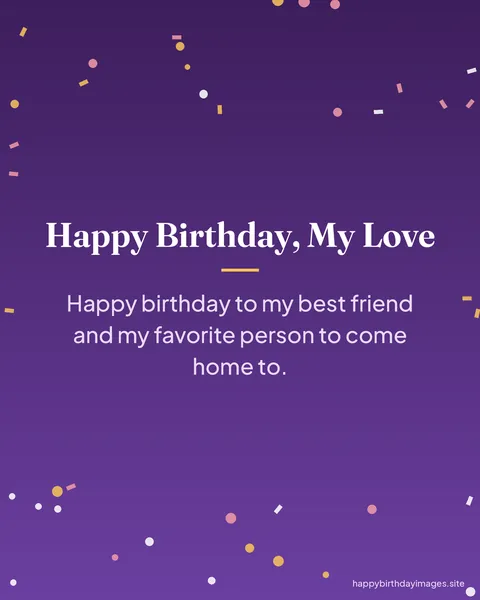
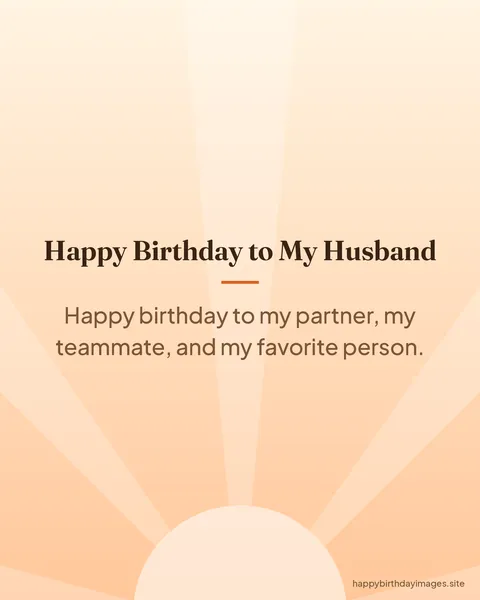
Ready-to-use messages

More guides
 6 min readBirthday Card Etiquette: A Practical GuideWhen to send a birthday card, how to sign it, what to do about late cards, and how to handle group cards at work without overthinking it.
 6 min readSimple Ways to Celebrate a Birthday at HomeLow-cost, family-friendly ways to celebrate a birthday at home, from breakfast surprises and easy decorations to games, movie nights, and a planning timeline.
 6 min readPractical Birthday Gift Ideas for Every AgeGift ideas organized by age group, from toddlers to grandparents, with budget-friendly options and experiences that people actually remember.